
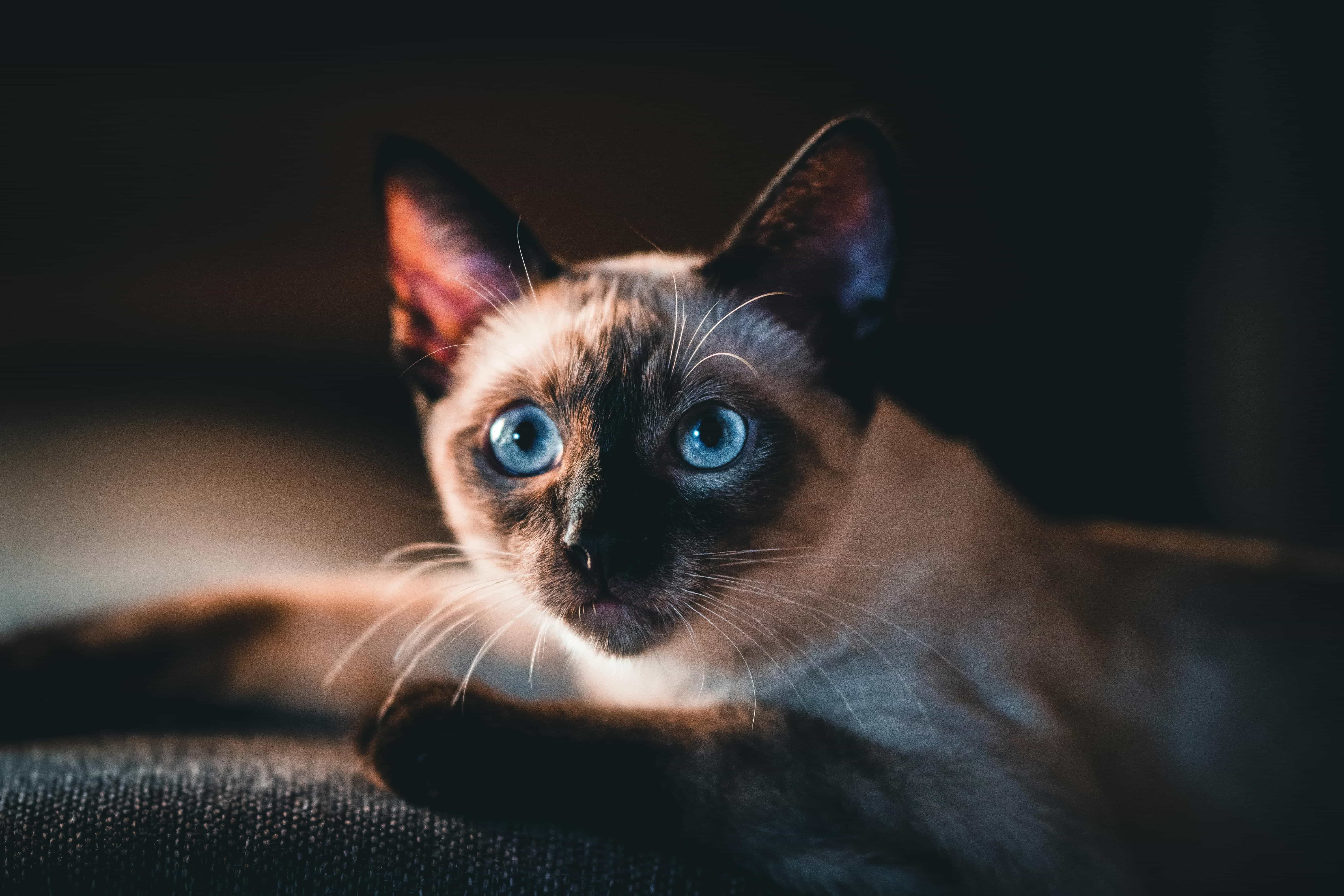
Play Should Reflect Natural Behavior
Cat owners are often told to play more with their cats, and the advice is generally sound. Play supports movement, reduces boredom, and helps redirect behavior that would otherwise show up in scratching, nighttime activity, or ambush behavior. But the quality of play matters as much as the quantity. What many cats need is not nonstop entertainment. They need play that gives them a sense of control, sequence, and completion.
A cat is not built to enjoy chaos for its own sake. Most healthy play follows a pattern related to stalking, tracking, chasing, striking, and recovering. When play becomes random waving, overstimulating interruption, or endless teasing without resolution, it may activate the cat without satisfying it.
Why Some Cats Lose Interest Quickly
Owners sometimes assume a cat that walks away from toys is lazy or unplayful. In reality, the game may simply be poorly structured. If movement is too repetitive, too fast, too exposed, or disconnected from the cat's position in the room, the animal may not perceive it as rewarding. Cats often engage more when toys move in ways that preserve mystery and allow strategic attention.
Environmental context matters too. A cat that has no good vantage point, poor traction, too much surrounding noise, or repeated interruption from people or other animals may not commit fully to play. The problem is not motivation alone. It is the absence of a setting that supports focused behavior.
Frustration Builds When There Is No End Point
Many cats do not need longer play sessions so much as better ones. If arousal rises but there is no satisfying transition out of the game, the cat may remain activated afterward. This can contribute to stalking ankles, swatting, vocalizing, or suddenly racing through the home. Owners may then conclude that play makes the cat wilder, when the real issue is that the session lacked a coherent arc.
Good play usually includes anticipation, action, and release. The cat should be able to track, commit, make contact, and then shift out of the hunt state. In some homes, a small food reward or a calm pause after play helps complete the sequence.
Control Builds Confidence
Cats often become more behaviorally stable when play gives them agency. They should be able to choose engagement distance, retreat briefly, re-enter the activity, and succeed. Constantly pushing the toy into the cat's face or forcing social interaction around play can reduce interest rather than increase it.
This is one reason independent toy options and well-designed interactive play can complement each other. The cat benefits from both human-guided sessions and opportunities to explore movement on its own terms.
Better Play Can Solve More Than Boredom
Structured play helps with weight management, nighttime restlessness, attention-seeking, and environmental frustration. It can also improve the cat's use of indoor space by encouraging climbing, chasing, and exploration. In multi-cat homes, separate play opportunities may reduce tension by giving each animal a safer route to engagement.
Owners often notice that a cat seems more affectionate after better play. This is not because the cat has been exhausted into compliance. It is because a well-regulated cat is easier to live with and more comfortable approaching social contact.
The Best Sessions Feel Complete to the Cat
Cats do not need to be entertained every spare minute. They need play that respects how feline attention works. When sessions have clear structure, room for choice, and a satisfying finish, they support behavior far more effectively than constant low-quality stimulation. A cat that can complete the emotional logic of play is usually calmer than one that is merely kept busy.
Play Quality Also Affects the Human-Cat Relationship
When play works well, it changes more than activity level. It reduces friction between cat and owner. The cat is less likely to create its own excitement through disruptive behavior, and the owner is less likely to interpret ordinary feline intensity as defiance. In that way, better play improves coexistence as much as enrichment.
The guide on introducing a new pet to your home (separate spaces, scent swapping) worked perfectly for our new puppy.
The indoor potty solutions for apartment dogs saved me during heavy rain. My pup now uses the fake grass tray without hesitation.
I built the window perch for my cats using your guide. They sit there for hours watching birds. Best weekend project ever.
The tips for reducing pet hair on furniture (lint rollers, rubber gloves, and frequent vacuuming) are simple but effective.
Finally a nail trimming guide that doesn't make my dog run away. The peanut butter distraction method is genius. Zero stress!
{{ comment.message }}