
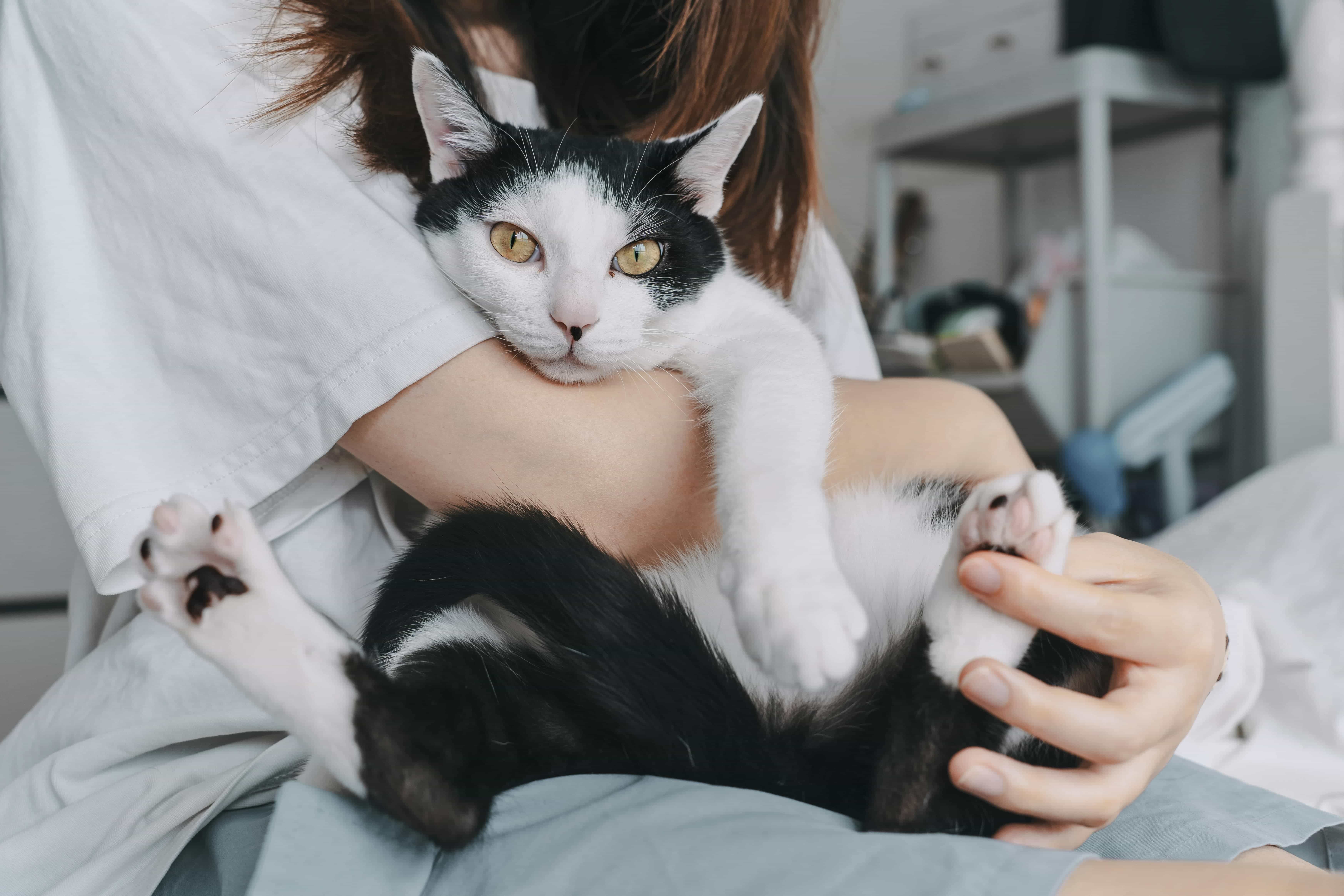
Noise is an often overlooked part of pet care. Humans may get used to household sounds and tune them out, but many animals notice every sudden bang, alarm, door slam, or vacuum cleaner roar. For some pets, sound sensitivity is a mild annoyance. For others, it can become a major stressor.
Why Sound Matters
Animals have different hearing ranges and different reactions to noise. Loud, unpredictable sound can make a pet feel unsafe, trigger hiding or barking, and even affect appetite or sleep.
Dogs and Noise
Some dogs are especially sensitive to thunder, fireworks, construction, or household appliances. A dog that panics during storms is not being dramatic; it is reacting to a real fear response.
Cats and Noise
Cats may respond by hiding, moving to another room, or becoming agitated. They often prefer quiet zones where they can retreat when the house becomes loud.
Rabbits and Birds
Rabbits and birds can be especially sensitive to environmental noise. A calm, low-stimulation room often helps them feel more secure.
Managing Noise Sensitivity
Helpful strategies may include:
- Creating quiet resting areas
- Gradual desensitization
- Keeping routines stable
- Reducing sudden noise where possible
Final Thoughts
A quieter home can be a kinder home for many pets. Sound sensitivity is not weakness; it is part of how animals experience the world.
SEO Takeaway
If you are looking for pet sound sensitivity help, reduce sudden noise and create calm spaces for rest.
Why Noise Feels Bigger to Pets Than to Us
Humans often adapt to background noise. Pets may not. Their senses are tuned differently, and sounds that seem normal to us can feel unpredictable or overwhelming to them. A vacuum cleaner, blender, alarm, or slamming door may become a major event in the animal’s day.
Breed, Temperament, and Noise Sensitivity
Some pets are naturally more noise-sensitive. A timid rescue dog may react more strongly than a confident one. Some cats hide at the first loud sound, while others simply move to another room. Rabbits and birds may be especially vulnerable because they are prey animals and often respond to loud noise as a possible threat.
Creating a Quieter Home Without Going Extreme
You do not need a silent house to help a sound-sensitive pet. Small changes can matter a lot:
- Avoid sudden noise when possible
- Give the pet a retreat space
- Keep routines predictable around loud activities
- Use soft background sound if it helps mask surprises
Seasonal Noise Stress
Certain times of year can be difficult for pets because of fireworks, storms, or holiday gatherings. Planning ahead is often the best defense. If you know your pet struggles with predictable noise events, set up a quiet zone in advance.
When Noise Sensitivity Gets Worse
If a pet’s noise fear suddenly increases, think about health changes, stress, or new triggers. A pet that used to handle sound well but now becomes frantic may need extra support or medical evaluation.
Final Thoughts
Sound is part of the pet’s environment whether we notice it or not. A thoughtful home listens to the animal’s ears as much as it listens to its own convenience.
SEO Takeaway
For pet home sound sensitivity, reduce sudden noise, create safe zones, and keep predictable routines.
My dog's digging in the yard stopped after I provided a sandbox. The article's explanation of breed-specific needs was spot on.
Excellent advice on introducing a new cat to resident cats. The slow swap method prevented any fights in my home.
The article on cat slow blinking is real! I tried it and my feral rescue blinked back. We're bonding now.
I didn't know that lip licking in dogs can mean stress. I've been misreading my rescue for months. Thank you for the education.
I finally understand why my ferret does the 'weasel war dance'. It's pure joy, not aggression. This site is a gem.
{{ comment.message }}